Cockatoo parrots are a distinctive and intelligent group of birds belonging to the family Cacatuidae, which includes 21 recognized species. They are known for their striking crests, curved beaks, expressive personalities, and strong bonds with humans.
Key Characteristics:
🦜 Key Characteristics of Cockatoos
Trait
Description
Size
Medium to large (12–24 inches)
Color
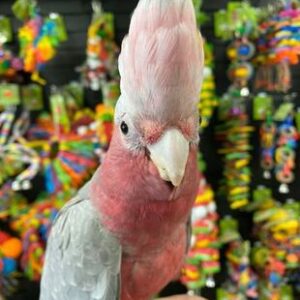
Usually white, pink, grey, or black; not as colorful as other parrots
Crest
Movable, expressive crest used for communication and display
Lifespan
40–70 years in captivity (some over 80)
Intelligence
Very high – capable of problem-solving and mimicry
Social Needs
Extremely social and emotionally needy
Noise Level
Very loud – known for screaming and vocalizations
🐦 Popular Species of Cockatoos
Sulphur-crested Cockatoo
White body with a bright yellow crest
Native to Australia and New Guinea
Playful and loud
Umbrella Cockatoo
Pure white with a wide, fan-shaped crest
Native to Indonesia
Very affectionate and cuddly
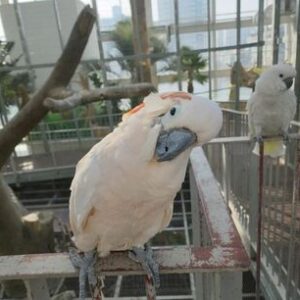
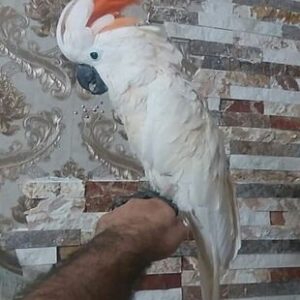
Moluccan Cockatoo (Salmon-crested)
Pinkish body with a peach crest
One of the loudest and most demanding species
Needs experienced owners
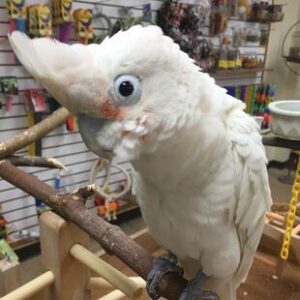
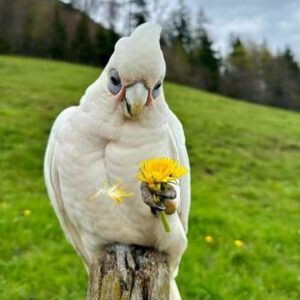
Goffin’s Cockatoo
Smaller white cockatoo with a light peach wash around the face
Curious, intelligent, and relatively more manageable
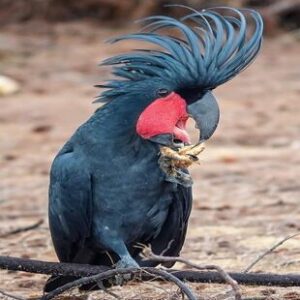
Black Palm Cockatoo
Large and dark with red cheeks and a massive beak
Striking appearance, very rare and not commonly kept as pets
💡 Interesting Facts
Cockatoos can learn tricks, talk, and mimic sounds.
They often develop deep emotional bonds with their caregivers.
Due to their intelligence and social needs, they are prone to boredom and feather plucking if neglected.
In the wild, they are known for their tool use and complex social structures.
⚠️ Important Considerations as Pets
Not beginner birds – require lots of time, attention, and mental stimulation.
Can be destructive chewers – they need strong toys and supervision.
Loud vocalizations can be difficult in apartment settings.
May develop behavioral issues if not properly socialized.