Eclectus Parrots
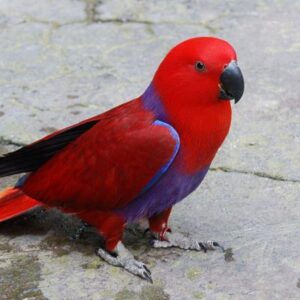
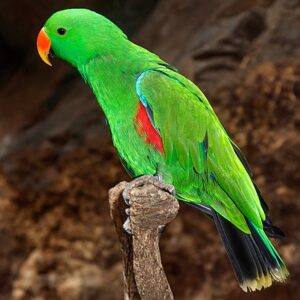
Eclectus Parrots (Eclectus roratus) are stunning and unique birds, known for their striking sexual dimorphism
—males and females look so different they were once thought to be separate species.
🟢 Male Eclectus Parrots
- Coloration: Bright emerald green with orange beak.
- Accent Colors: Blue or red on wings and sides, depending on subspecies.
- Behavior: Generally more laid-back and calm.
🧠 Intelligence & Behavior
- Very intelligent and capable of speech (some rival African Greys in vocabulary).
- Social and curious; they thrive with mental stimulation and regular interaction.
- Known for a calm, collected demeanor (especially males).
📍 Native Habitat
- Found in:
- Papua New Guinea
- Northern Australia
- Solomon Islands
- Nearby islands in the South Pacific
They inhabit rainforests, forest edges, and tropical lowlands.
🏡 As Pets
- Lifespan: 30–50 years with proper care.
- Need large cages and out-of-cage time daily.
- Sensitive to environmental changes and poor diets.
- Not typically aggressive, but females can be dominant.
🔴 Female Eclectus Parrots
- Coloration: Vivid red and royal blue or purple plumage.
- Beak: Black.
- Behavior: More territorial and independent, especially during nesting.
⚠️ Considerations Before Owning
- Require daily socialization and enrichment.
- Can develop feather-plucking or behavioral issues if neglected.
- Loud calls—best suited for owners prepared for noise.
- Need experienced handling, especially for hormonal or nesting females.
🍽️ Diet
- In the wild:
- Fruits (especially figs)
- Blossoms
- Seeds
- Leaf buds
- Nectar
In captivity:
- High-quality pellets
- A wide variety of fresh fruits & vegetables
- Occasional nuts and seeds
Avoid: Avocado, chocolate, caffeine, and alcohol—these are toxic to parrots.